allisles.com
British Virgin Islands
allisles.com
British Virgin Islands

British Virgin Islands: Complete Caribbean Travel Guide
Visa Free
Last updated:
Quick Facts
- Visa Status: Visa-free for most nationalities
- Currency: US Dollar (USD)
- Language: English
- Best Months: December through May
- Average Temperature: 28°C (82°F)
- Location: Lesser Antilles, United Kingdom
- Area: 151 km²
- Population: 32,000
- Nearest Airport: Terrance B. Lettsome International Airport (EIS)
About British Virgin Islands
The British Virgin Islands overview begins with understanding this unique Caribbean territory. The islands sit in the Lesser Antilles, positioned at coordinates 18.4207, -64.64. This small British Overseas Territory covers just 151 square kilometers but offers enormous variety. Approximately 32,000 people call these islands home.
The archipelago consists of over 60 islands and cays. Tortola is the largest island and serves as the main hub. Virgin Gorda, Jost Van Dyke, and Anegada are other major islands worth visiting. Each island has distinct character and attractions that draw visitors worldwide.
English is the official language, making travel simple for English speakers. The US dollar is the currency, eliminating exchange complications. The timezone is America/Tortola, which aligns with Eastern Standard Time.
The islands enjoy a tropical climate year-round. Average temperatures hover around 28°C consistently. Trade winds keep the islands comfortable despite Caribbean heat. Rainfall occurs primarily in late summer and fall months.
Why Visit British Virgin Islands

Best forfamiliescouplessolo travelersluxury travelersbudget travelers
Visitors choose the British Virgin Islands for multiple compelling reasons. The islands offer world-class sailing conditions that attract water enthusiasts globally. Calm waters between islands create perfect conditions for all skill levels.
Scuba diving ranks among the top activities here. The islands feature numerous dive sites with healthy coral reefs. Tropical fish and marine life thrive in these protected waters. Wrecks like the RMS Rhone provide dramatic underwater exploration opportunities.
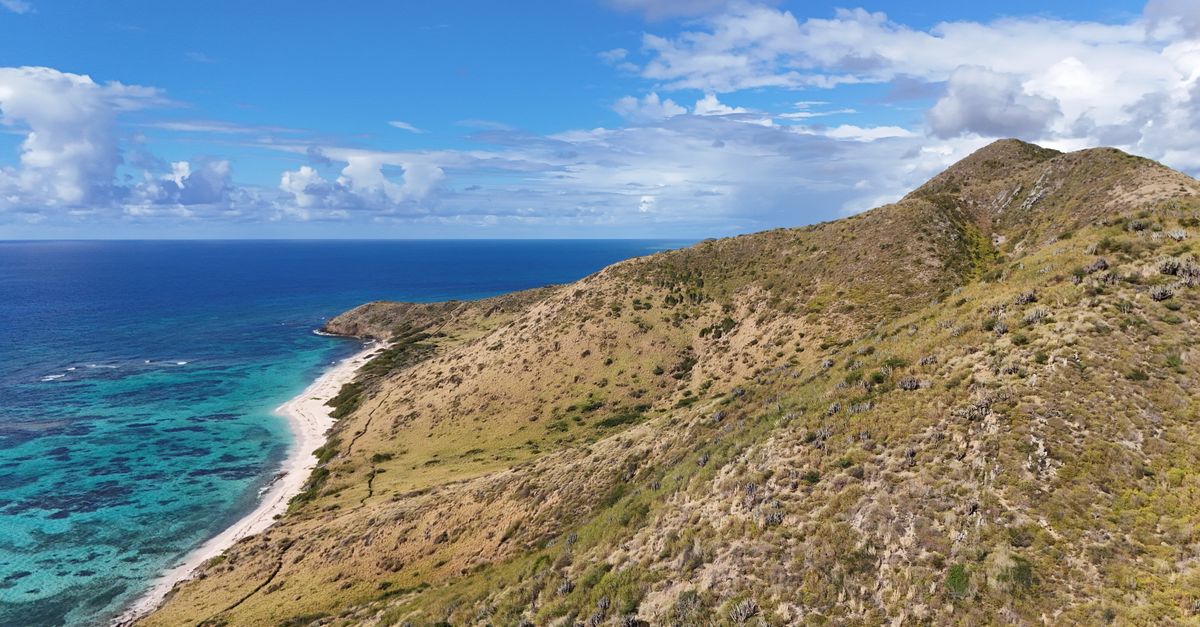
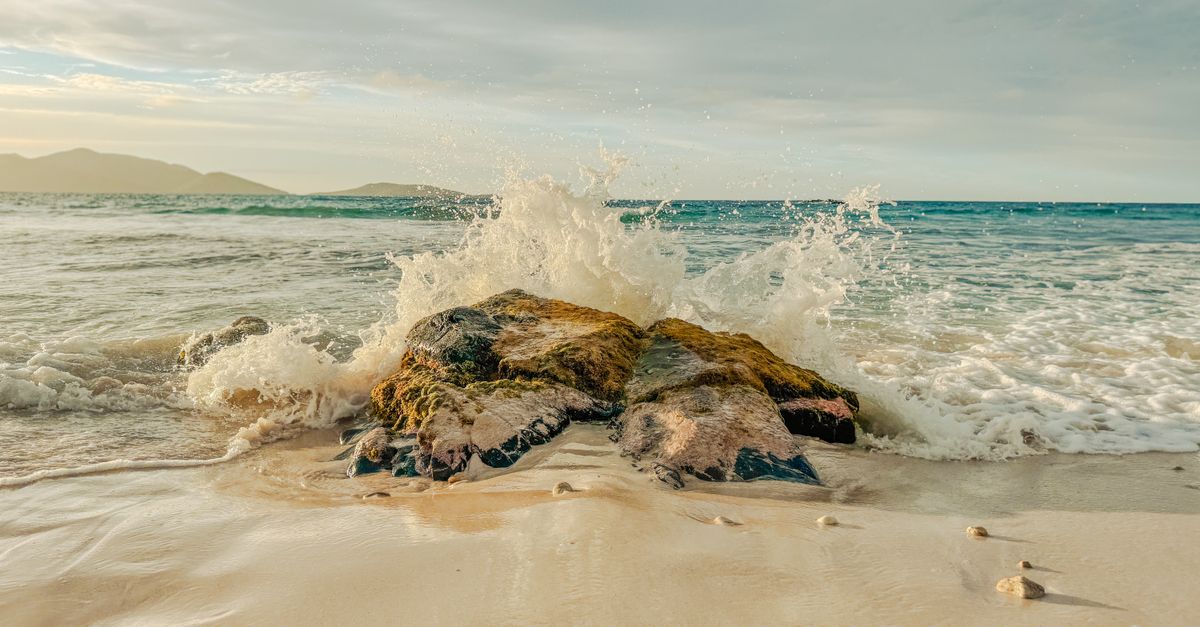
The beaches here deliver genuine Caribbean experiences without pretense. White sand lines most shores, backed by minimal development. Palm trees and tropical vegetation frame every beach perfectly. Waters range from calm bays to rolling open-ocean beaches.
The British Virgin Islands overview wouldn't be complete without mentioning authentic island culture. Locals maintain strong traditions and genuine friendliness toward visitors. Colonial history shapes the architecture and street layouts. Music and food reflect Caribbean heritage throughout the islands.
Adventure activities abound for active travelers. Hiking trails lead to panoramic viewpoints. Snorkeling spots are accessible from almost every beach. Kayaking through mangrove forests reveals hidden coves. Windsurfing works well on the windward sides of islands.
PRO TIP: Book accommodations several months ahead for December through April travel. This peak season fills hotels quickly, and prices increase significantly. September and October offer lower prices and fewer crowds, though rain occurs more frequently.
British Virgin Islands for Families
Best forfamilies with children of all ages
Families discover excellent reasons to choose the British Virgin Islands for vacation. The islands provide safe, welcoming environments for children. Locals appreciate families and accommodate their needs willingly.
Beach time dominates most family days here. Cane Garden Bay on Tortola offers calm waters perfect for young swimmers. Trunk Bay on St. John provides shallow, protected swimming areas. The sand is soft and warm, making it comfortable for extended play.
Water activities work for all ages and skill levels. Snorkeling requires minimal training and delivers immediate rewards. Children see tropical fish from the surface easily. Glass-bottom boats accommodate those who prefer staying dry while viewing marine life.
Easy ferry rides connect islands and create mini-adventures. The journey between islands takes 15 to 45 minutes typically. Children enjoy the boat experience and exploring new islands. Ferry schedules allow for flexible daily planning.
Hiking and nature exploration appeal to families with older children. Gorda Peak National Park on Virgin Gorda offers accessible trails. The viewpoint overlooks multiple islands and surrounding ocean. Trails range from 30 minutes to 2 hours typically.
Food in the British Virgin Islands accommodates family preferences easily. Local restaurants serve fresh seafood and familiar dishes. Pizza, sandwiches, and simple meals are readily available. Many accommodations provide kitchen facilities for self-catering families.
British Virgin Islands for Couples

Best forhoneymoonersromantic getawaysanniversary celebrations
Couples find the British Virgin Islands ideal for romantic escapes. The islands deliver privacy and natural beauty simultaneously. Quiet beaches exist for intimate moments together.
Sunset sailing creates memorable romantic experiences. Private charters accommodate couples perfectly. Most sailboats depart in late afternoon for sunset viewing. The captain provides refreshments while you enjoy ocean breezes and fading light.
Spa services and wellness treatments dot the islands. Villa accommodations often include private spa facilities. Couples enjoy massages overlooking ocean views. Many spas offer sunset treatments combining relaxation with romantic atmosphere.
Dining experiences emphasize fresh seafood and tropical flavors. Beachfront restaurants offer candlelit tables. Local chefs prepare creative dishes using fresh ingredients. Fine dining complements the romantic setting beautifully.
Secluded beach picnics work wonderfully for couples. Arrange through your hotel for prepared meals and setup. Private beaches provide intimacy without crowds. Anchoring off small cays allows swimming and snorkeling alone.
Photography opportunities abound for capturing memories. Golden hour light flatters every location. Beach walks provide natural posing locations. Underwater photography preserves snorkeling adventures permanently.
PRO TIP: Visit during shoulder months like May or November for romance without premium prices. You'll find fewer crowds and more personalized service. Weather remains excellent, though occasional rain showers occur.
British Virgin Islands for Solo Travelers
Best forindependent travelersadventure seekerscultural explorers
Solo travelers find the British Virgin Islands welcoming and manageable. The islands are safe and easy to navigate independently. English-speaking locals provide helpful directions and suggestions readily.
Island-hopping works perfectly for solo travelers. Ferry schedules accommodate flexible daily plans. Each island offers distinct experiences without requiring long travel times. You meet other travelers easily on shared ferries and tours.
Group tours connect solo travelers with others naturally. Sailing tours, snorkeling excursions, and hiking groups all operate regularly. These activities provide social interaction while exploring. Tour operators welcome solo participants and often seat you with compatible travelers.
Hostels and guesthouses offer budget-friendly accommodations. Many feature common areas encouraging guest interaction. You'll meet fellow solo travelers and gain local recommendations. Smaller properties provide more personalized attention than large resorts.
Dining solo proves comfortable and enjoyable here. Casual beachfront restaurants welcome solo diners. Bar seating puts you near other travelers and locals. Street food and casual eateries work perfectly for independent meals.
Solo activities suit personal interests perfectly. Snorkeling from beaches requires no group participation. Reading on quiet beaches refreshes after travel. Solo hiking trails allow personal pacing and reflection.
Best Time To Visit British Virgin Islands

Best forall travelers seeking optimal weather and fewer crowds
The best months to visit are December through May. This period offers consistent sunshine and dry conditions. Trade winds keep temperatures comfortable without excessive heat. Hurricane season ends before this period begins.
December through February experience the absolute peak season. Northern hemisphere winter creates strong international demand. Expect higher prices and fuller accommodations. January weather is particularly stable with minimal rain.
March through May represents the sweet spot for many travelers. Prices drop slightly from peak season levels. Weather remains excellent with reliable sunshine. Fewer crowds allow better beach and restaurant experiences.
June through November is hurricane season in the Caribbean. Rainfall increases significantly, particularly August through October. Tropical showers are typically brief but occur frequently. Many accommodations close during this period.
September and October offer substantial discounts. Rainfall is heaviest during these months. Short-term visitors can still enjoy experiences between rain showers. Many locals prefer this period for authentic island life.
The average temperature stays around 28°C year-round. Water temperature varies minimally, remaining warm for swimming. Morning temperatures are cooler, while afternoons warm significantly. Evening breezes provide comfortable relief from daytime heat.
Weather Considerations by Month
January offers the most stable, dry conditions. February maintains excellent weather with minimal rainfall. March begins the transition with occasional showers. April weather remains reliable with increasing warmth. May brings more humidity before rain season begins.
June marks the start of rainy season officially. July and August experience occasional tropical showers. September and October are wettest months statistically. November dries out as season transition occurs. December brings rainfall and storm potential early in month.
PRO TIP: Check weather patterns weekly if traveling June through November. Rain showers are brief usually, lasting 30 minutes to 1 hour. Plan indoor activities for afternoons when afternoon showers occur most frequently.
Getting To British Virgin Islands
Terrance B. Lettsome International Airport serves as the main entry point. The airport code is EIS. Most international flights connect through Puerto Rico or US Virgin Islands. Direct flights operate from several mainland US cities seasonally.
Ferry service connects the British Virgin Islands with US Virgin Islands. Multiple ferry operators run daily schedules. The journey from St. Thomas takes approximately 45 minutes. Ferry costs are reasonable and provide scenic ocean views.
Tortola is the primary arrival island. The airport handles most visitor traffic. Rental cars, taxis, and shuttle services provide ground transportation. Hotel pickups are available through most accommodations.
Inter-island ferries connect major islands efficiently. Tortola to Virgin Gorda takes 30 minutes typically. Jost Van Dyke requires additional ferry time from Tortola. Anegada ferries operate on specific schedules requiring advance planning.
Visa requirements are straightforward for most nationalities. The islands are visa-free for most travelers. An onward ticket and accommodation proof are recommended documentation. Immigration officials want assurance you'll depart as scheduled.
Travel insurance is strongly recommended before departing. Medical facilities exist on main islands but are limited. Serious emergencies may require evacuation to Puerto Rico. Insurance covers evacuation costs and medical treatment adequately.
Transportation Options
Rental cars work for independent travelers exploring Tortola. Roads are narrow and winding but passable. Driving on the left side requires adjustment for American drivers. Gas stations exist in main towns on each island.
Taxis operate throughout the islands. Negotiate fares before entering the vehicle. Drivers serve as informal tour guides often. They know hidden restaurants and local attractions.
Ferry schedules connect islands multiple times daily. Prices are affordable, typically under USD 15 per trip. Morning ferries depart early, afternoon ferries depart mid-day. Evening ferries accommodate late-day travelers.
Sailing charters combine transportation with recreation. Bareboat charters suit experienced sailors. Crewed charters include captain and cooking services. Day-sail excursions work for non-sailors interested in water activity.
Frequently Asked Questions

What Vaccinations Do I Need for the British Virgin Islands?
The British Virgin Islands don't require vaccinations officially. However, health professionals recommend standard travel vaccinations. Hepatitis A and typhoid protection benefit most travelers. Ensure routine immunizations are current before departure. Consult your doctor 4 to 6 weeks before travel for personalized recommendations. Malaria is not present in the islands. Dengue fever and Zika virus exist occasionally but are rare among tourists.
Can I Use My Mobile Phone in the British Virgin Islands?
Most international phone plans work in the British Virgin Islands. Roaming charges can be expensive depending on your carrier. Local SIM cards are affordable and readily available. Purchase them at the airport or in town shops. Hotels and restaurants offer free WiFi throughout islands. Purchasing a local SIM costs between USD 10 and 20 typically. Top-up credit is inexpensive for local calls and texting. Many travelers prefer WiFi-only communication to avoid roaming charges entirely.
Is the British Virgin Islands Safe for Tourists?
The British Virgin Islands maintain good safety records for tourists overall. Violent crime against visitors is rare. Use normal travel precautions like anywhere else. Avoid displaying expensive jewelry or cameras openly. Don't walk alone in deserted areas at night. Tourist areas are well-patrolled and safe throughout days. Local police maintain visible presence in main towns. Healthcare facilities exist on main islands for medical emergencies. Travel insurance provides additional peace of mind and protection.
What Is the Cost of Living in the British Virgin Islands?
The British Virgin Islands are moderately expensive compared to mainland Caribbean locations. Groceries and imported goods carry significant markups. Local restaurants offer reasonable meals at USD 12 to 25 typically. Beach shacks and street food provide budget options under USD 10. Accommodations range from USD 100 to 500 per night depending on standards. Budget travelers can spend USD 100 to 150 daily including meals. Mid-range travelers budget USD 200 to 350 daily comfortably. Luxury travelers should expect USD 400 and above daily costs.
How Do I Travel Between the British Virgin Islands?
Ferries connect major islands on regular daily schedules. Tortola to Virgin Gorda ferries depart multiple times daily. Journey times range from 30 to 45 minutes typically. Fares cost between USD 12 and 15 per ticket. Jost Van Dyke requires ferry from Tortola taking 45 minutes. Anegada has less frequent ferry service requiring advance planning. Water taxis provide more flexible but expensive transportation. Private boat rentals suit groups interested in complete independence. Most visitors use ferries for island-hopping convenience and affordability.
Related Pages on British Virgin Islands
Islands Near British Virgin Islands