
Last updated:
Best Markets in British Virgin Islands
Shopping in the British Virgin Islands markets offers visitors direct access to island life. Local vendors display fruits, vegetables, and handmade goods daily. The main shopping areas cluster around Road Town on Tortola. You'll find markets operating year-round with peak activity early morning. Most vendors arrive before 7 AM to set up stalls. Markets typically close by early afternoon when produce sells out.
Road Town Market sits in the center of the island's main town. This indoor market building hosts dozens of vendors under one roof. You can browse fresh produce, spices, and local crafts without worrying about weather. The market operates six days a week. English is the main language, so communication is easy for international visitors. Parking is available nearby on the main streets.
Wickham's Cay Market serves locals and tourists near the waterfront. This location offers excellent views while you shop. Vendors here specialize in fresh island produce and seafood. The market has a relaxed Caribbean atmosphere. You'll meet friendly locals who enjoy sharing stories about the islands. Early morning visits guarantee the best selection of fresh items.
Local Food Markets in British Virgin Islands

Food markets reveal the true flavors of the British Virgin Islands. Fresh tropical fruits dominate the stalls from May through October. Mangoes, papayas, avocados, and passion fruit appear daily during season. Local fishermen sell fresh catches early each morning. Vegetables grown on the islands include callaloo, okra, and tomatoes. Spice vendors offer blends that define Caribbean cooking.
The Road Town Market's produce section occupies the ground floor. Farmers bring goods from islands across the territory. You'll discover fruits you've never seen before. Island staples like breadfruit and plantains are always available. Prices are reasonable compared to supermarkets. Most vendors accept cash and some accept cards. Bring reusable bags to reduce plastic waste.
Fish markets operate early morning, usually between 6 and 9 AM. Local boats deliver fresh catch overnight. You can purchase whole fish or request cleaning and filleting. Lobster appears seasonally during summer months. Conch is a traditional island food available year-round. Ask vendors for cooking recommendations if you're unfamiliar with island seafood.
PRO TIP: Visit markets between 7 and 8 AM for the freshest produce and best prices. Arrive with reusable bags and cash in small bills. Ask vendors for cooking tips and recipe suggestions for unfamiliar fruits and vegetables. Many enjoy sharing family recipes with interested travelers.
Craft and Souvenir Shopping
Local artisans create unique crafts showcasing island heritage. Markets feature handmade jewelry, woven baskets, and wooden carvings. These items make meaningful souvenirs that support local creators. You can watch craftspeople working during market hours. Many artists explain their techniques and design inspiration. Purchasing directly supports island communities and families.
Woven baskets called "screwdriver baskets" are traditional BVI souvenirs. Artisans craft these from palm fronds and natural materials. Each basket takes weeks to complete. The intricate patterns tell stories of island life. Baskets vary in size from small desk items to large storage pieces. Prices depend on size and complexity of the design.
Wooden carvings reflect island wildlife and cultural themes. Local carvers produce everything from small figurines to large sculptures. Mahogany and other local woods create durable, beautiful pieces. Many carvings depict sailboats, fish, and sea turtles. Artists often personalize pieces with initials or dates. These make excellent home decorations or meaningful gifts.
Island Jewelry and Accessories
Jewelry vendors showcase pieces using local shells and stones. Handmade necklaces, bracelets, and earrings reflect Caribbean style. Many pieces feature sea glass, conch, and natural pearls. Artisans also create jewelry using traditional metals and gemstones. Prices vary widely based on materials and craftsmanship. You can negotiate prices at market stalls for multiple items.
Where To Buy Local Products
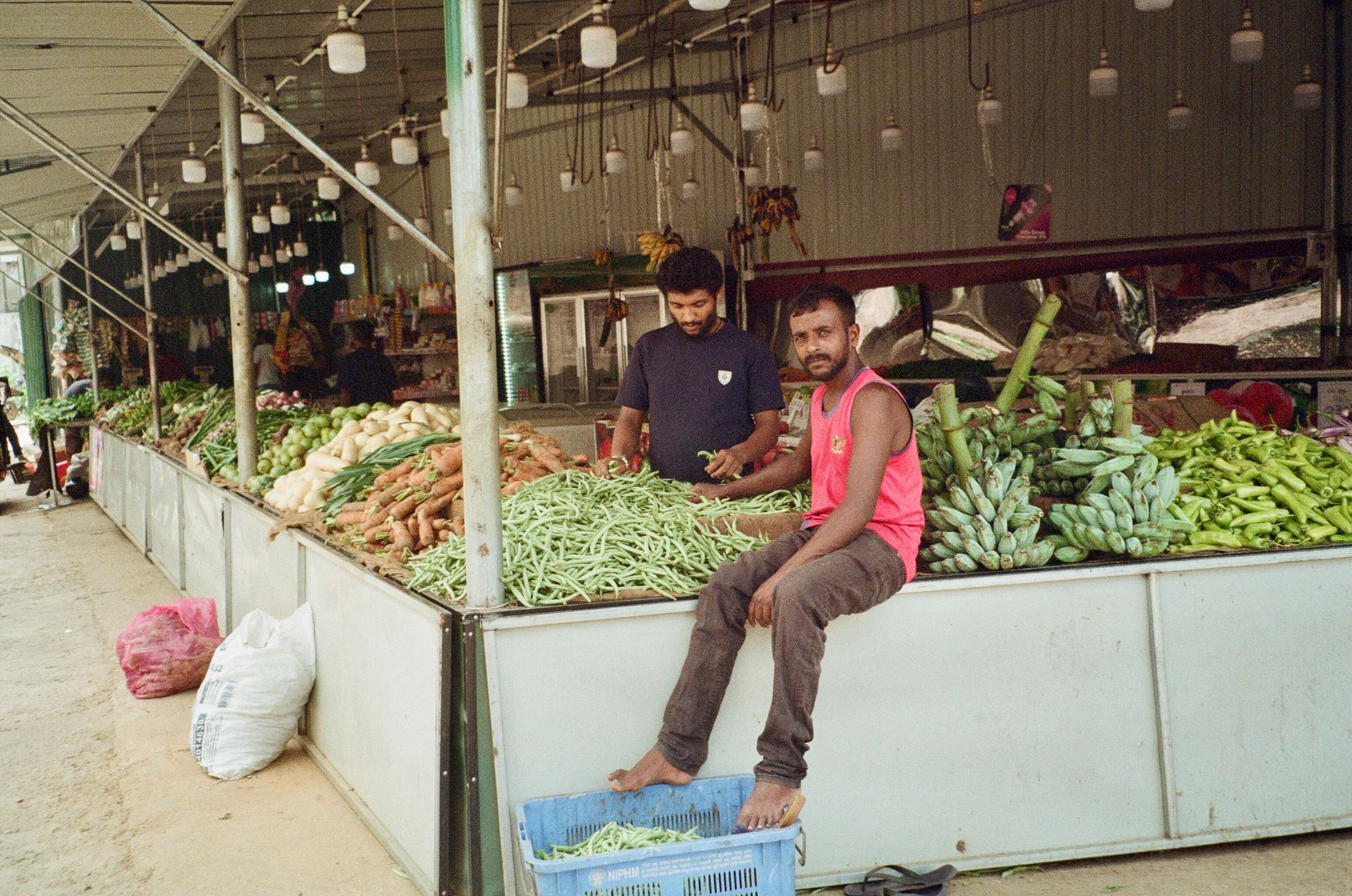
Several shopping districts throughout the territory offer local products. Road Town, the capital, contains the largest concentration of markets. The harbor area near Wickham's Cay features outdoor vendors and small shops. Smaller islands like Virgin Gorda and Jost Van Dyke have local markets too. Each location has unique products reflecting that island's character.
Road Town Market Building sits on Main Street in the downtown area. The three-story structure houses fresh produce, spices, and crafts. The second floor features restaurants and food vendors. This central location makes shopping convenient for cruise ship passengers. Taxis from the ferry terminal cost just a few dollars. The market is walking distance from many hotels and restaurants.
Wickham's Cay waterfront area attracts both tourists and locals. Multiple vendor stalls line the streets near the yacht basin. You can shop while enjoying harbor views and sea breezes. The area has good parking and nearby restaurants. Many shoppers combine market browsing with waterfront dining. This location works well for families wanting a complete outing.
Little Denmark, another Road Town neighborhood, offers authentic shopping. Smaller markets operate here with less tourist focus. You'll encounter genuine local shopping experiences. Buildings feature colonial architecture and Caribbean charm. Parking is trickier here, so arrive early or use taxis. This area feels like stepping back in time.
PRO TIP: Visit Road Town Market on Saturday mornings for the largest selection and most vibrant atmosphere. Bring small USD bills because many vendors prefer cash. Speak with vendors about their products, they share stories about items and families. Photography is generally welcome, but always ask first out of courtesy.
Shopping Hours and Tips
Market hours vary by location and season. Most markets open between 6 and 7 AM daily. They close between 12 PM and 2 PM as vendors sell out. Saturday markets stay open slightly longer, until 2 or 3 PM. Sunday hours are limited or closed at many locations. Plan your shopping around these typical hours.
Weather affects market operations throughout the year. Hurricane season runs June through November. Markets may close during severe weather events. The dry season from December to April offers ideal shopping conditions. Bring sunscreen and a hat for outdoor market shopping. Wear comfortable shoes because you'll walk uneven ground between stalls.
Practical Shopping Tips
Bring reusable shopping bags to reduce plastic waste. Local vendors appreciate when shoppers bring their own bags. Many stalls don't have bags available, so plan ahead. Wear comfortable walking shoes for uneven market floors. Bring cash in small bills and USD currency. Not all vendors have change for large bills. Haggling is acceptable at markets for multiple items or bulk purchases.
Know that some stalls are seasonal. Fruit availability changes with harvest seasons. Summer brings different crops than winter months. Ask vendors which items are in season and when others will arrive. This helps you plan return visits or adjust recipes. Local recommendations often lead to great discoveries.
Bring a cooler or insulated bag if buying fresh seafood or produce. Most shopping happens early morning when items are coolest. For perishables, plan to cook or refrigerate immediately. The tropical climate means items spoil faster than in temperate zones. Ask vendors if they have ice available for your purchases.
What To Buy in British Virgin Islands

Several products represent the British Virgin Islands and make excellent purchases. Island fruits like mangoes and passion fruit are seasonal but special. Spice blends capture Caribbean flavors for use at home. Handmade crafts support local artisans and preserve traditions. Specialty foods including hot sauces and jams offer authentic tastes.
Fresh Produce and Food Items
Fresh tropical fruits are among the best purchases. Mangoes are exceptionally sweet and flavorful when in season. Papayas, avocados, and coconuts provide authentic Caribbean flavors. Passion fruit makes excellent juice and desserts. Buy ripe fruit for immediate consumption or slightly green for later ripening. Ask vendors for ripeness recommendations based on when you'll eat them.
Local spice blends include essential Caribbean seasonings. These blends are perfect for cooking island dishes at home. Many vendors sell small quantities for testing flavors. Hot sauces from local producers range from mild to extremely spicy. Fish seasoning blends are specifically designed for seafood preparation. These items take up minimal luggage space and pack well.
Island-made jams and preserves capture local flavors. Mango chutney, guava jam, and papaya preserves are popular choices. These products are shelf-stable and make excellent gifts. Many are made by home cooks and small producers. Flavors are often stronger and more authentic than commercial versions. Support small businesses by purchasing from individual makers.
Handicrafts and Souvenirs
Woven baskets are iconic BVI souvenirs with cultural significance. Palm frond baskets take weeks to complete by hand. Each basket is unique with individual design variations. Smaller baskets are affordable and easy to transport. Larger decorative baskets can be shipped home. These support traditional crafts and local artisans.
Wooden carved items celebrate island life and wildlife. Sea turtles, sailboats, and fish are common carving subjects. Artisans often use local hardwoods that are sustainable. Small carvings fit easily in luggage. Larger pieces can be arranged for shipping. Personalized carvings add special meaning as gifts.
Shell and coral jewelry reflects ocean themes. Craftspeople design necklaces, bracelets, and earrings from local materials. Many pieces use sustainable, legally harvested materials. Prices are reasonable compared to resort gift shops. Jewelry supports independent artisans and small makers. These items are lightweight and easy to pack.
Textiles and Clothing
Local textile artists create printed fabrics with island designs. Sarongs, scarves, and clothing feature Caribbean motifs. Hand-dyed textiles show traditional dyeing techniques. These items are practical and beautiful. Wearing island-inspired clothing keeps memories alive year-round. Local designers often sell directly at markets.
PRO TIP: Purchase items early in your trip to carry them through your journey or have time to arrange shipping. Small artisan-made items make better souvenirs than mass-produced goods. Photographs of artisans at their crafts add sentimental value. Ask sellers for stories about their techniques and traditions.
Frequently Asked Questions
What Currency Should I Bring To British Virgin Islands Markets?
The US dollar (USD) is the official currency and most markets accept it. Bring small bills because vendors often lack change for larger denominations. Many modern stalls accept credit cards, but cash is preferred. ATMs are available in Road Town and major towns. Bring a mix of cash and cards for flexibility. Vendors may offer better prices for cash purchases at markets.
Are British Virgin Islands Markets Open on Sundays?
Most markets have limited or no Sunday hours. Road Town Market typically closes Sundays or opens briefly in the morning. Many vendors observe Sunday as a rest day. If you need groceries Sunday, supermarkets remain open with regular inventory. Plan your market visits for weekdays or Saturday mornings. Sunday shopping works better at shops and supermarkets than traditional markets. Always confirm hours before planning your trip.
Can I Haggle Prices at British Virgin Islands Markets?
Haggling is acceptable at markets, especially for multiple items or bulk purchases. Individual vendors set their own prices and negotiate with regular customers. Tourist shoppers can also negotiate, particularly for crafts and souvenirs. Food prices are typically fixed and less negotiable. Starting with respectful conversation builds rapport for better deals. Friendly interactions often result in discounts or free samples. Appreciate vendors' expertise and effort when negotiating.
What's the Best Time To Visit British Virgin Islands Markets?
Early mornings between 7 and 8 AM offer the freshest produce and least crowded shopping. Saturday mornings attract the most vendors and largest selection. Weather is typically calm and cool early morning. Visit during dry season months (December through April) for ideal conditions. Hurricane season (June through November) may impact market operations. Weekday visits are quieter with one-on-one vendor attention. Plan your schedule around these peak shopping times for best experiences.
How Do I Get To Road Town Market From the Airport?
Terrance B. Lettsome International Airport (EIS) is located on Tortola island. Taxi service from the airport to Road Town takes approximately 20 to 30 minutes. The drive covers about 15 kilometers on island roads. Rental cars are available if you prefer independent transportation. Ferry services connect other islands to Road Town. Most hotels can arrange airport transfers. The market is located on Main Street in downtown Road Town near the waterfront.