
Last updated:
How To Get There: British Virgin Islands Transportation Options
Getting to the British Virgin Islands involves several reliable transportation methods. You can fly into Terrance B. Lettsome International Airport on Tortola. You can also take a ferry from nearby islands. Cruise ships visit the islands regularly as well. Most visitors choose flights for convenience and speed. The islands sit in the Lesser Antilles chain within the Caribbean Sea.
The British Virgin Islands remain accessible year-round, though hurricane season runs June through November. Travel during December through May for the best weather. Many tourists plan trips during these dry months. The islands use US dollars, making budgeting straightforward for American travelers. English is the official language throughout the territory. Visa requirements are minimal for most nationalities, simplifying your entry process.
Your choice of transportation depends on your starting location and budget. International flights work best for long-distance travelers. Ferries connect well to nearby islands like Puerto Rico and the US Virgin Islands. Cruise ships offer all-inclusive vacation experiences with port stops. Each option has distinct advantages depending on your travel style and timeline.
Flights To British Virgin Islands
Terrance B. Lettsome International Airport (EIS) receives most flights to the British Virgin Islands. The airport sits on Tortola, the largest island in the archipelago. Direct flights arrive from major US cities including Miami, New York, and San Juan. Most travelers connect through Puerto Rico before reaching Tortola.
Several airlines serve the British Virgin Islands regularly. American Airlines operates frequent connections through their Caribbean network. Caribbean Airlines provides regional service throughout the Lesser Antilles. JetBlue offers seasonal flights from the northeast United States. Air Sunshine operates smaller regional flights from nearby islands. Flight times vary based on your departure city and connection points.
From Miami, flights typically take three to four hours with one connection. From New York, expect five to seven hours of total travel time. San Juan, Puerto Rico serves as a major hub for Caribbean connections. The airport handles both large jets and smaller regional aircraft. Book your flights several weeks in advance during peak season months.
Ticket prices fluctuate based on travel dates and how far in advance you book. Peak season months like December and January cost more than off-season travel. Wednesday through Friday typically offer better rates than weekend flights. Consider flying mid-week to save money on airfare. Budget airlines occasionally offer competitive prices on Caribbean routes.
PRO TIP: Book your flights on Tuesday or Wednesday for the lowest fares. Set price alerts on flight comparison websites like Google Flights or Kayak. Fly into San Juan, Puerto Rico and take a short 30-minute flight to Tortola for better rates. Check both direct and connecting flights, as connections sometimes cost less overall.
British Virgin Islands Airport Guide
Terrance B. Lettsome International Airport offers a small but efficient arrival experience. The airport code is EIS, and it serves as your main entry point. The facility includes a single terminal building with modern amenities. Immigration and customs lines move quickly, typically processing passengers within 30 minutes.
The airport provides ATMs for withdrawing US dollars upon arrival. Currency exchange services operate within the terminal, though airport rates are typically higher. food-Restaurants and shops offer food and last-minute supplies before departure. Free WiFi connects throughout the terminal building. Restrooms are clean and well-maintained throughout the facility.
Baggage claim happens in a small but organized area near the terminal exit. The airport handles both arriving and departing flights in the same compact space. Ground transportation counters line up just outside baggage claim. Rental car companies have desks in the arrivals area. Taxi drivers wait outside the terminal for arriving passengers.
The airport sits about 12 kilometers east of Road Town, the capital city. The drive to central Tortola takes roughly 20 to 30 minutes depending on traffic. Evening arrivals may experience longer customs lines. Plan for extra time during peak holiday seasons. The airport closes at night, so arrive during daytime hours when possible.
Getting From the Airport To Your Hotel

Several transportation options connect Terrance B. Lettsome International Airport to your accommodation. Taxis queue outside baggage claim and offer the quickest option. Rental cars provide flexibility for exploring multiple islands during your stay. Shuttle services operate from major resorts. Some hotels offer complimentary airport pickup for guests.
Taxis charge fixed rates regardless of final destination on Tortola. Drivers wait outside the terminal building constantly. Negotiate your fare before entering the vehicle. Most drivers accept US dollars and credit cards. Taxi rides to Road Town cost approximately 25 to 35 USD. Rides to more distant resorts cost proportionally more based on distance.
Rental cars remain popular among independent travelers. Major rental companies like Hertz, Avis, and Budget operate at the airport. Reserve your vehicle online before arrival for better rates. Driving is on the left side of the road in the British Virgin Islands. A valid driver's license from your home country works for short-term rentals. Daily rates vary seasonally but range significantly, so compare companies before booking.
Shuttle services connect the airport to major resort properties. Your hotel can arrange pickup when you book accommodation. Shared shuttles reduce costs compared to private taxis. These services require advance notice, typically at least 24 hours. Hotels near the airport offer more convenient shuttle options than distant properties.
PRO TIP: Arrange your airport transfer before arriving. Contact your hotel to confirm pickup services. If renting a car, pick it up at the airport rather than driving into town first. Request a manual transmission for lower daily rates, though automatics are available. Bring your passport and international driving permit as backup identification.
Ferry and Cruise Options
Ferry service connects the British Virgin Islands to nearby islands efficiently. The main ferry terminal is located in Road Town on Tortola. Multiple ferry operators provide daily service to surrounding islands. Ferries run to Jost Van Dyke, Virgin Gorda, and Anegada regularly. Some ferries continue to the US Virgin Islands and Puerto Rico.
Smith's Reef Ferry Service operates passenger ferries between major islands. Speedy's operates fast ferry service with modern vessels. Inter Island Boat Services provides affordable ferry connections. Ferry rides typically last between 15 minutes and 45 minutes depending on destination. Schedules run multiple times daily during peak travel periods.
Ferry prices vary by destination and operator. A ride to Virgin Gorda costs roughly 15 to 20 USD per person. Jost Van Dyke ferries cost around 12 to 18 USD per person. Ferries to Anegada run less frequently due to distance. Book round-trip tickets if you plan to explore multiple islands. Ferries accommodate both foot passengers and vehicles.
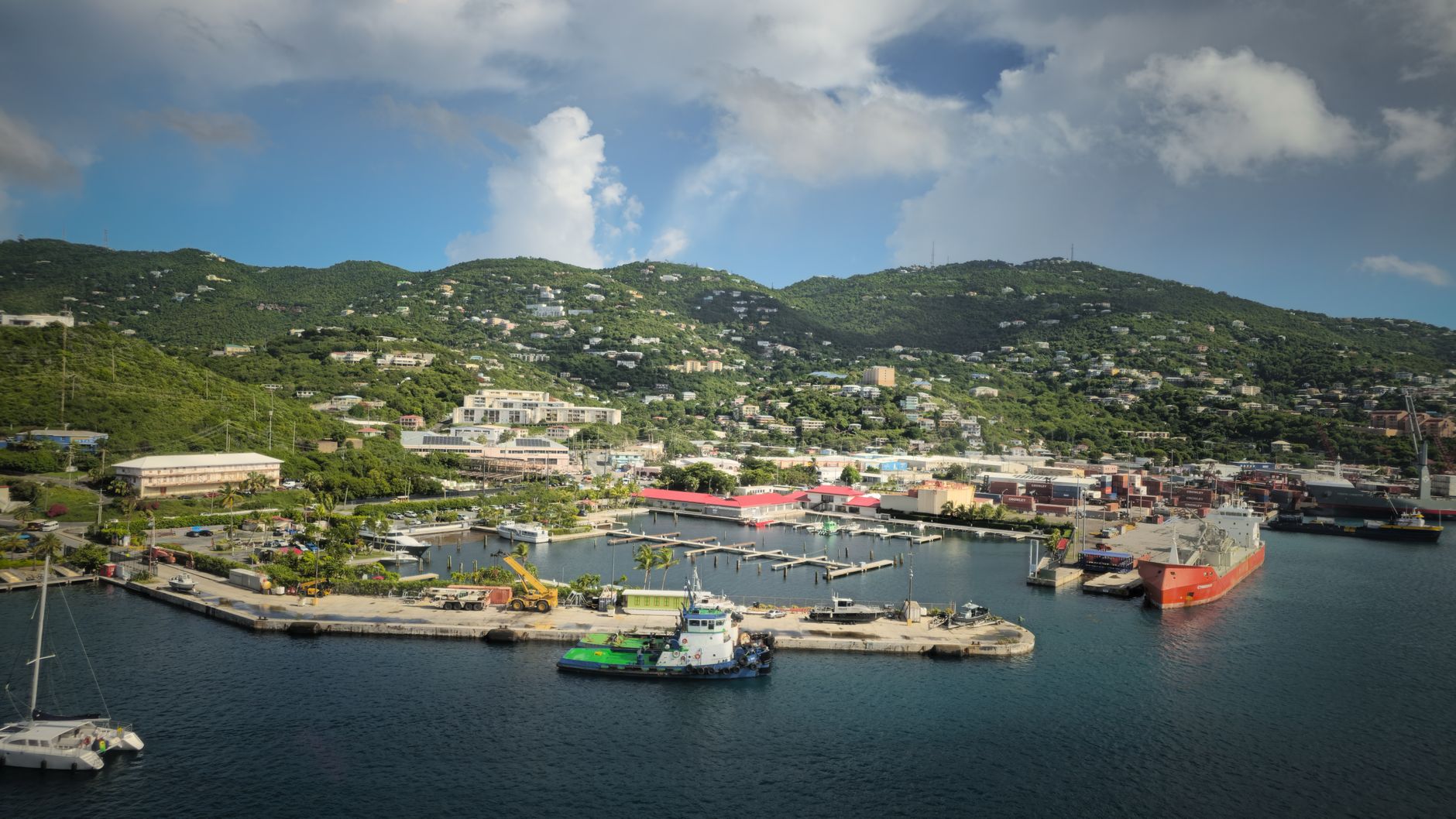
Cruise ships visit the British Virgin Islands regularly during the season. Ships dock at Road Town harbor on Tortola. Cruise itineraries often include stops at Jost Van Dyke and Virgin Gorda. Port facilities handle thousands of passengers daily. Shore excursions include snorkeling, beach visits, and island tours. Ships typically stay in port for eight to ten hours, allowing day exploration.
The cruise season runs from October through April, with peak traffic in December through March. Ships offer onboard transportation for shore excursions or independent exploration options. Cruise passengers should plan activities carefully due to limited port time. Some cruises start or end in the British Virgin Islands rather than just stopping. This option works well for vacation packages combining sea travel and island time.
Getting To British Virgin Islands From Nearby Islands

Many visitors reach the British Virgin Islands from nearby Caribbean islands. Puerto Rico's San Juan sits approximately 80 kilometers to the west. The US Virgin Islands lie just south of the British territory. Antigua and other Leeward Islands offer connecting flights. Jamaica and other major Caribbean hubs connect through regional airlines.
From Puerto Rico, you have multiple connection options. Flights to Tortola depart from Luis Muñoz Marín International Airport regularly. Flight time from San Juan to Tortola takes approximately 30 minutes. Air Sunshine and Caribbean Airlines offer frequent daily service. These flights are often cheaper than direct flights from mainland United States.
Ferry service connects Puerto Rico to the British Virgin Islands daily. Ferries depart from Fajardo on Puerto Rico's east coast. The journey to Tortola takes approximately two hours by ferry. Service also runs from Vieques and Culebra, smaller Puerto Rico islands. Ferry schedules vary seasonally, so check in advance.
The US Virgin Islands connect easily via short flights or ferries. Ferry service runs between St. Thomas and Tortola. Travel time by ferry is approximately one hour depending on sea conditions. Flights from St. Croix or St. Thomas take just 15 to 20 minutes. These inter-island options work well for combining vacations across both territories.
Antigua connects through regional airline service. Barbados offers connections through major Caribbean hubs. St. Lucia provides access through regional airlines. Jamaica requires more planning due to distance but offers international flight hubs. Nevis and other Leeward Islands connect through smaller regional carriers.
Transport Tips and Costs
Getting around the British Virgin Islands requires careful planning and local knowledge. Road conditions vary from well-maintained highways to narrow mountain passes. Driving on the left side of the road takes adjustment for many travelers. Speed limits remain low throughout populated areas. Respect posted limits and drive defensively on winding roads.
Rental cars offer the most flexibility for island exploration. Daily rates vary by company and vehicle type. Compact cars cost less than larger SUVs. Four-wheel drive vehicles help navigate mountain roads and rough terrain. Reserve vehicles online before arrival for better pricing. Many rental companies offer weekly discounts for longer stays.
Taxis are readily available throughout major towns and resorts. Drivers wait near hotels, beaches, and tourist attractions. Negotiate fares before entering the vehicle. Most taxis don't have meters, so discuss cost upfront. Shared taxis reduce individual costs when splitting between travelers. Late-night rides cost more than daytime travel.
Inter-island ferries cost significantly less than flights. A round-trip ferry ticket to Virgin Gorda costs between 25 and 40 USD per person. Jost Van Dyke ferries run 20 to 35 USD round-trip. These prices fluctuate seasonally and between operators. Ferry schedules vary, so check ahead before planning your day.
Buses operate in Road Town and connect major towns on Tortola. Bus fares cost approximately 1 to 2 USD per ride. Buses run less frequently than in larger cities. Schedule service to main attractions and residential areas. The bus system works well for budget-conscious travelers exploring Tortola.
Boat rentals allow exploration of surrounding islands independently. Day charters cost more than ferry service but offer flexibility. Skipper services are available for travelers without sailing experience. Snorkeling equipment often comes included with boat rentals. This option works best for groups splitting costs together.
PRO TIP: Get an international driving permit before traveling, even though a license works. Bring local cash for taxis and small vendors. Fill your rental car's gas tank away from resort areas for better prices. Eat lunch before 1 PM when restaurants offer daily specials. Book accommodations near beaches or town centers to reduce transportation costs.
Frequently Asked Questions

What Is the Best Way To Get To the British Virgin Islands From the US?
Flying from Miami or New York to Terrance B. Lettsome International Airport on Tortola is the fastest option. Most flights connect through San Juan, Puerto Rico, which serves as the main Caribbean hub. Total travel time from the mainland typically ranges from five to seven hours depending on your departure city and connections. Book flights several weeks ahead during peak season for better rates and flight options.
Do I Need a Visa To Enter the British Virgin Islands?
Most nationalities do not need a visa for the British Virgin Islands. Citizens from the United States, Canada, United Kingdom, and European Union countries enter visa-free. Immigration officials will ask about your accommodation and return travel plans. Have your hotel confirmation and return flight details ready. Some officials recommend carrying an onward ticket, though it's not always required. Check with your nearest British embassy if you're uncertain about your specific nationality.
How Much Does It Cost To Take a Ferry Between Islands?
Ferry prices vary by destination and operator. A one-way ticket to Virgin Gorda costs approximately 12 to 18 USD. Jost Van Dyke ferries run between 8 and 12 USD per person. Anegada ferries cost slightly more due to distance. Round-trip tickets offer slight discounts compared to purchasing separate one-way fares. Schedule ferry rides early in the day when all routes typically operate on their regular timetables.
What Transportation Option Is Cheapest for Getting Around the Islands?
Ferries between islands offer the cheapest transportation option overall. Local buses on Tortola cost only 1 to 2 USD per ride. Shared taxis reduce costs when traveling with other passengers. If you're staying primarily on one island, walking and beaches eliminate transportation costs entirely. Renting a car becomes cost-effective for groups splitting expenses across multiple days. Budget travelers should prioritize ferries and buses over private taxis.
Can I Rent a Car at Terrance B. Lettsome Airport?
Yes, multiple car rental companies operate desks at Terrance B. Lettsome International Airport. Hertz, Avis, and Budget maintain rental offices in the arrivals area. Reserve your vehicle online before arrival for competitive rates. You'll need a valid driver's license and credit card for the rental. Remember that driving occurs on the left side of the road. Daily rates vary by season, with higher prices during December through April peak travel months.