
Last updated:
British Virgin Islands Visa Entry for Most Travelers
The British Virgin Islands welcomes visitors with straightforward entry rules. Most nationalities enjoy visa-free access to these islands. The territory sits in the Lesser Antilles, governed as a United Kingdom overseas territory. English speakers will feel comfortable here. The friendly locals and excellent infrastructure make entry smooth.
You do not need a visa for tourist visits. Most travelers receive entry stamps upon arrival. Immigration officers may ask about your travel plans. They want to ensure you have sufficient funds. Proof of onward travel helps demonstrate your intentions. Having accommodation details ready accelerates the entry process.
The British Virgin Islands include Tortola, Virgin Gorda, Jost Van Dyke, and Anegada. Terrance B. Lettsome International Airport (EIS) serves as your main entry point. Direct flights arrive from Miami, San Juan, and other Caribbean hubs. The airport sits on Beef Island near Tortola. Immigration processing typically takes 15 to 30 minutes.
British Virgin Islands Visa Requirements by Nationality

Citizens of the United States, Canada, United Kingdom, and European Union countries enter visa-free. Citizens of Australia, New Zealand, and Singapore also enjoy visa-free status. Citizens of most Caribbean nations receive visa-free entry. The British Virgin Islands maintains a substantial list of visa-exempt nationalities.
Your passport must remain valid for your entire stay. Most immigration officials require six months of validity. Some visitors with passports expiring sooner still gain entry. Requesting a departure date within passport validity is safest. Damaged or heavily worn passports may cause entry delays.
If your nationality does not appear on the visa-exempt list, contact the British Virgin Islands Immigration Department. You can reach them through the official government website. They process visa applications within two to three weeks. Submit applications at least one month before travel. Some nationalities qualify for visa-on-arrival arrangements.
Tourist visas typically permit stays of 30 days. Immigration officers can extend your stay if needed. Extension requests require visiting the Immigration Department in Road Town on Tortola. Extensions cost money and require proof of funds. Plan extensions before your initial permit expires.
PRO TIP: Check your passport validity before booking flights. Renewal takes weeks in many countries. Starting the process early prevents travel cancellations and wasted money.
Entry Documents You Need
Bring your valid passport as your primary entry document. This is non-negotiable for all international travelers. Keep your passport accessible during flight and immigration. Store a photocopy separately from the original. Digital copies on your phone provide additional backup.
Proof of onward travel strengthens your entry application. Airlines require this documentation before boarding anyway. Return flight confirmations work perfectly for this purpose. Cruise ship bookings also satisfy this requirement. Immigration officers rarely ask for this, but having it ready demonstrates responsible travel planning.
Accommodation proof helps immigration officers assess your plans. Hotel confirmations from Tortola, Virgin Gorda, or other islands work well. Vacation rental bookings serve the same purpose. Letters from friends or family hosting you also count. Written confirmation should include dates and contact information.
Travel insurance documentation is not required but highly recommended. Medical coverage protects you against unexpected emergencies. Insurance cards and policy documents fit easily in your travel folder. Bring medical prescriptions for any personal medications. Keep medications in original labeled containers.
A return address helps immigration staff contact you if needed. Written on a small card or your booking confirmation. Your home phone number and email address complete this information. This prevents delays during the entry process.
Customs Rules in British Virgin Islands

You may bring personal items into the British Virgin Islands duty-free. This includes clothing, toiletries, and electronics for personal use. Bring one liter of perfume or cologne. Two liters of wine or spirits are permitted per adult. Two hundred cigarettes or fifty cigars enter duty-free as well.
Prohibited items include illegal drugs, weapons, and certain foods. Fresh fruits and vegetables from outside the Caribbean face restrictions. Meat products require special agricultural permits. Most grocery items purchased locally are affordable and readily available. The weekly markets in Road Town offer fresh local produce.
Currency declaration applies to amounts exceeding ten thousand US dollars. Arriving with this sum requires written declaration. Undeclared large amounts may result in confiscation. Traveler's checks and credit cards do not require declaration. Digital payment methods work throughout the islands.
Protected coral, shells, and sea creatures cannot leave the islands. Taking these items violates environmental protection laws. Penalties include significant fines and possible legal action. Respecting marine conservation ensures the islands' long-term health. Leave natural souvenirs for future visitors to enjoy.
Duty-free shopping at the airport serves arriving travelers. Stores offer perfume, alcohol, and cigarettes at reduced prices. Shopping here before immigration speeds your entry process. Major credit cards and cash both work at airport shops.
PRO TIP: Pack a small daypack with essentials for your airport arrival. Keep medications, valuables, and important documents in your carry-on bag. This prevents delays if checked luggage arrives late.
Is British Virgin Islands Safe To Visit
The British Virgin Islands maintains good safety for tourists. Resort areas and popular beaches see regular security presence. Road Town and Virgin Gorda Town have active police patrols. Tourist areas in Tortola and Virgin Gorda experience minimal crime. Most visitors complete their trips without incident.
Exercise normal precautions like in any Caribbean destination. Avoid displaying expensive jewelry or electronics in public. Keep valuables secure in your hotel safe. Use authorized taxis rather than unmarked vehicles. Reputable tour operators focus on tourist safety and quality service.
Beach safety requires sun protection and water awareness. The Caribbean sun is intense year-round. Apply high-SPF sunscreen every two hours and after swimming. Beaches have varying conditions depending on weather and season. Ask locals about current swimming conditions before entering the water.
Hurricane season runs June through November. Tropical storms occasionally affect the islands during this period. The British Virgin Islands government provides weather warnings and evacuation plans. Travel insurance covering weather delays offers peace of mind. Most visitors travel December through May for optimal weather.
Petty theft occurs occasionally in crowded areas. Keep an eye on belongings at markets and busy streets. Leave expensive items at your accommodation. Use hotel room safes for passports and extra cash. These simple steps prevent most travel disruptions.
Health Requirements

No mandatory vaccinations are required for British Virgin Islands entry. However, consulting a travel doctor before departure makes sense. They assess your health history and travel plans. Vaccinations for hepatitis A and typhoid benefit many travelers. Yellow fever protection is recommended if visiting South America before the islands.
Travel to the Caribbean may expose you to dengue fever. Mosquito protection reduces your dengue risk significantly. Wear long sleeves and pants during dawn and dusk. Insect repellent with DEET works effectively against mosquitoes. Your accommodation should have screens on windows and doors.
Zika virus and chikungunya present minimal risk but deserve awareness. Pregnant travelers should consult their physicians before traveling. Mosquito-borne illness prevention applies to all visitors. The same repellents and clothing protect against all three conditions. Risk levels remain low for most travelers.
Tap water is safe throughout the British Virgin Islands. Water treatment systems meet international standards. You can drink directly from taps in hotels and food-restaurants. Bottled water is available at every shop if preferred. Dehydration is a real risk in the Caribbean heat. Drink water consistently throughout your day.
Medical facilities in Road Town provide adequate care for tourists. Peebles Hospital serves as the main medical center on Tortola. Private clinics offer quicker service for minor issues. Travel insurance with medical coverage is strongly recommended. Serious medical emergencies may require transport to Puerto Rico.
Travel Insurance for British Virgin Islands
Travel insurance protects your financial investment in your vacation. Medical coverage handles unexpected health emergencies. Trip cancellation insurance refunds prepaid costs if you must cancel. Baggage coverage compensates for lost or delayed luggage. These protections prevent small problems from becoming disasters.
Medical evacuation insurance is particularly valuable in the Caribbean. Serious injuries or illnesses may require transport to larger facilities. Evacuation flights to Puerto Rico or Miami cost thousands of dollars. Insurance covers these expensive transports completely. Standard travel insurance often includes evacuation coverage.
Trip delay insurance compensates for accommodation costs if flights are cancelled. Weather events occasionally disrupt Caribbean air travel. Insurance keeps you from absorbing unexpected hotel bills. This coverage typically activates after six to twelve hours of delay. Review your policy specifics before purchase.
Check your existing home insurance for travel coverage. Some homeowner policies include travel protection for vacations. Credit card companies sometimes offer travel benefits. Review these benefits before purchasing separate travel insurance. Avoiding duplicate coverage saves money.
Purchase travel insurance within fourteen days of your initial trip deposit. This timing often unlocks maximum coverage including pre-existing conditions. Many insurers exclude conditions with delayed purchases. Reading the policy carefully prevents coverage surprises. Reputable travel insurance companies include major underwriters available online.
Frequently Asked Questions
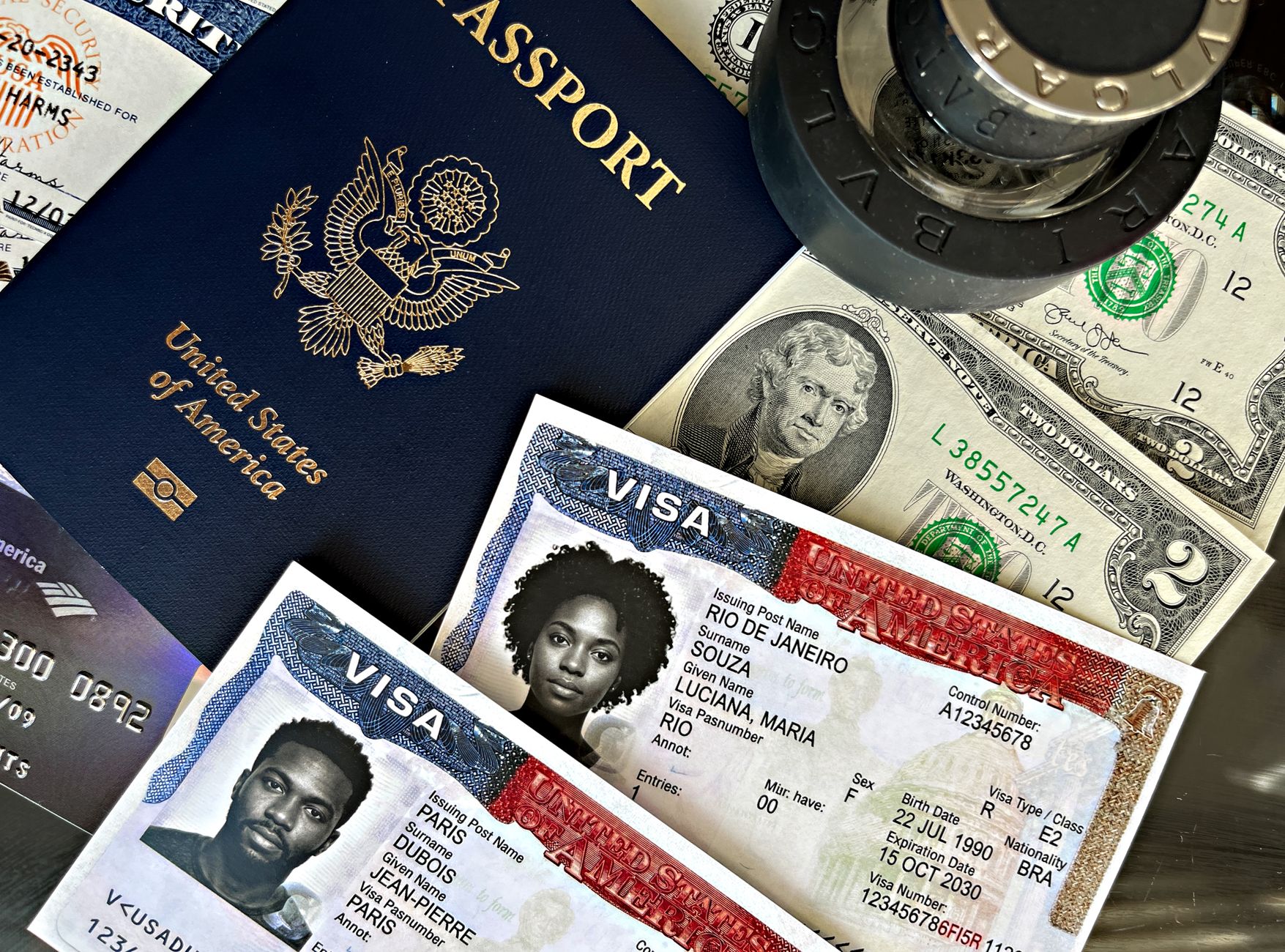
Do I Need a Visa To Visit the British Virgin Islands?
Most travelers do not need a visa for the British Virgin Islands. Citizens of the United States, Canada, United Kingdom, European Union, Australia, New Zealand, and Singapore enter visa-free. Your passport must be valid for your entire stay. Immigration officers may request proof of onward travel and accommodation. If your nationality is not on the visa-exempt list, you should apply for a visa before traveling. Contact the British Virgin Islands Immigration Department through the official government website for your specific situation.
How Long Can I Stay in the British Virgin Islands Without a Visa?
Visa-exempt visitors typically receive thirty-day tourist permits upon arrival. Immigration officers may grant shorter or longer periods based on your stated plans. Departure dates and onward travel affect the length of stay granted. You can request extensions at the Immigration Department in Road Town if needed. Extensions require proof of funds and a valid reason for extending your stay. Plan your return trip within your granted period to avoid overstay penalties.
What Documents Do I Need for Entry To the British Virgin Islands?
Your valid passport is the essential entry document required. Bring proof of onward travel such as return flight confirmations. Hotel reservations or vacation rental confirmations demonstrate accommodation arrangements. Travel insurance documentation is recommended though not required. Keep copies of important documents separate from the originals. Having these documents ready prevents delays during immigration processing.
Is Travel Insurance Required for Visiting the British Virgin Islands?
Travel insurance is not legally required but strongly recommended. Medical coverage protects you against unexpected health emergencies. The nearest major hospital is in San Juan, Puerto Rico. Medical evacuation by air costs thousands of dollars without insurance. Trip cancellation insurance protects your vacation investment. Most visitors purchase comprehensive travel insurance before departure for financial peace of mind.
What Are the Customs Regulations for Entering the British Virgin Islands?
You may bring personal items, one liter of perfume, and two liters of spirits duty-free. Two hundred cigarettes or fifty cigars are allowed per adult. Fresh fruits, vegetables, and meat products face restrictions. Protected coral and sea creatures cannot be removed from the islands. Currency over ten thousand US dollars requires written declaration. Review the full customs list before packing to avoid confiscation of prohibited items.